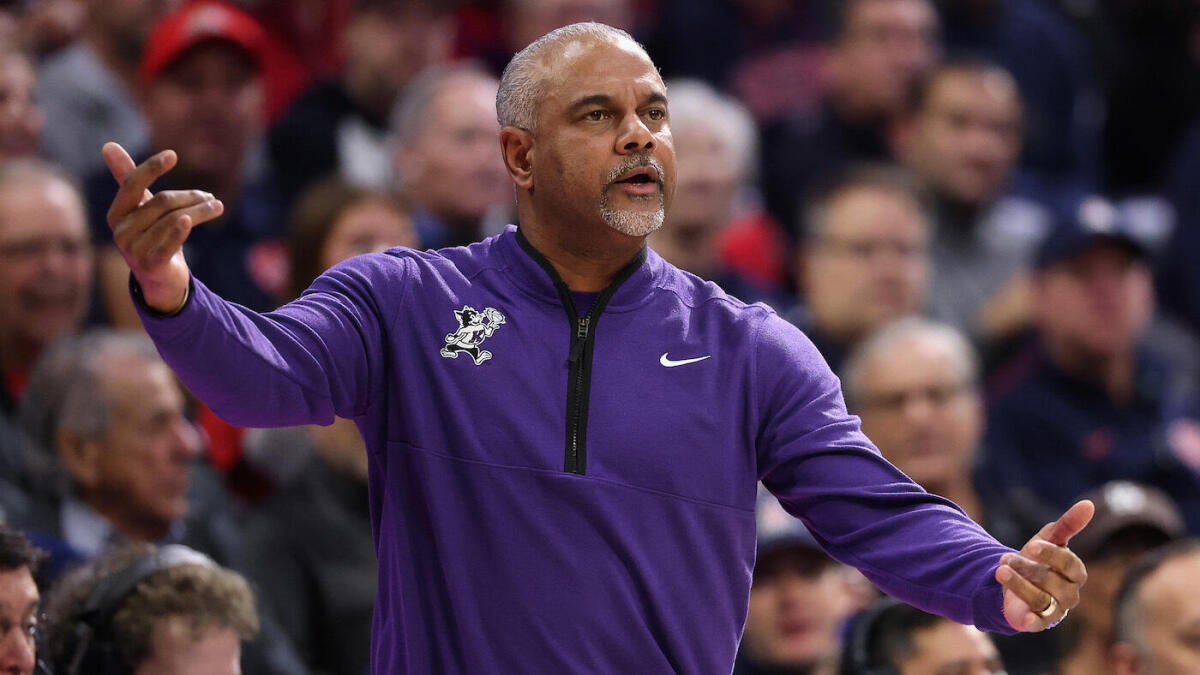
Kansas State Fires Jerome Tang Over Comments: A New Buyout Battle Erupts
The world of college basketball was rocked recently by an unexpected development at Kansas State University, where head coach Jerome Tang was unceremoniously fired just days after a disheartening loss. What makes this termination particularly contentious isn't just the timing, but the grounds cited by the university: Tang’s post-game comments. This situation has quickly escalated into a high-stakes legal battle, with Kansas State attempting a "for cause" termination to sidestep an astonishing $18.7 million buyout. The unfolding drama surrounding Tang Kansas State isn't merely a coaching change; it’s a modern precedent-setting dispute over the power of a coach's words in an increasingly scrutinized public sphere.
The Unfiltered Post-Game Rant That Shook Kansas State
The catalyst for this storm was a dismal performance. Following a crushing 91-62 defeat to a 14-12 Cincinnati team, which dropped the Wildcats to a painful 1-10 record in Big 12 play, Coach Jerome Tang did not hold back. His post-game press conference on Wednesday night became an immediate focal point, igniting a firestorm that would soon cost him his job. Tang’s raw, emotional outburst conveyed deep frustration and a profound sense of disappointment.
“These dudes do not deserve to wear this uniform. There will be very few of them in it next year,” Tang declared, his voice laced with indignation. He continued, expressing broader shame for the institution and its supporters: “I’m embarrassed for the university, and I’m embarrassed for our fans, our student section. It is just ridiculous. We’ve got practice at 6 a.m. tomorrow morning, and we will get this thing right. I have no answer and no words. … Right now, I’m like pissed.”
While such fiery rhetoric from coaches isn't unheard of, Athletic Director Gene Taylor quickly moved to sever ties. On Sunday night, Taylor announced Tang’s termination for cause, directly attributing the decision to the coach’s post-game comments and the negative reaction they garnered locally and nationally. This swift and decisive action set the stage for a legal showdown that promises to redefine the boundaries of contractual obligations and free speech in college athletics.
"For Cause" Termination: K-State's Cost-Saving Play
The core of the dispute revolves around Kansas State's assertion that Tang’s comments constitute a "for cause" termination. This legal maneuver is a strategic attempt by the university to avoid paying the substantial $18.7 million buyout stipulated in Tang's contract. The precedent for such actions exists, but the specifics of the Tang Kansas State case present a unique twist.
Dallas-based lawyer Michael Lyons, who has experience with similar high-profile cases, explains that schools often try to "concoct a for-cause termination so that they don’t have to pay the buyout" when a coach's performance falters. Lyons represented Kansas football coach David Beaty, who was fired for cause in 2018, and later represented Jeremy Pruitt after his dismissal from Tennessee. He also points to UConn's firing of Kevin Ollie, another "for cause" case aiming to avoid significant buyouts.
However, the difference in the Tang Kansas State scenario is critical. In previous instances, "for cause" firings often stemmed from allegations of NCAA rule violations (like Pruitt and Ollie) or player mistreatment (like Beaty, initially). Here, there are no such claims. Kansas State is arguing that Tang violated his contract purely with his spoken words. According to AD Taylor, Tang’s contract contained "language about certain things that could potentially bring embarrassment." He added, “Basically, his comments about the student-athletes and the negative reaction to those comments from sources, both nationally and locally, is where it kind of felt like I needed to make the decision.”
This raises profound questions about the subjective nature of "embarrassment" clauses in coaching contracts and the extent to which a coach's emotional remarks can be deemed a breach. For a deeper dive into K-State's legal strategy, read Tang Firing: K-State Aims to Skip $18.7 Million Buyout with 'For Cause'. The legal battle will scrutinize whether words alone, without accompanying actions or direct harm, can truly justify voiding an $18.7 million agreement. Further analysis on the contractual implications can be found in Did Words Alone Cost Jerome Tang His K-State Job? The Contract Clause.
The Broader Implications: Coach Contracts in the NIL Era
The dispute between Tang Kansas State is more than just an isolated incident; it reflects the intensifying financial pressures and evolving dynamics within college athletics. In an era dominated by Name, Image, and Likeness (NIL) deals, the transfer portal, and escalating coaching salaries, universities have unprecedented incentives to manage their budgets meticulously. Every dollar spent or saved off the court or field can directly impact competitiveness and the bottom line.
The stakes are higher than ever for schools to avoid cutting an $18 million check to a coach who is no longer employed. This pressure pushes institutions to explore every available avenue, including aggressive interpretations of contract clauses, to mitigate financial exposure. The Tang case, uniquely focused on speech rather than rule-breaking, could set a new precedent for how "for cause" terminations are applied and challenged.
Practical Tips for Coaches and Athletic Directors:
- Review Contract Language Carefully: Both parties should ensure "for cause" clauses are explicit, objective, and clearly define what constitutes a breach. Subjective terms like "embarrassment" can lead to lengthy legal battles.
- Implement Robust Media Training: Coaches operate in a highly scrutinized environment. Comprehensive media training can help them navigate difficult post-game situations without crossing contractual lines, even in moments of intense emotion.
- Consider Internal Communication Protocols: Before public criticism, coaches and ADs should have established channels for addressing team performance or player conduct internally, reducing the need for inflammatory public statements.
- Document Everything: From coaching directives to player interactions and public statements, meticulous documentation can be crucial evidence in any contractual dispute.
What's Next for Tang and Kansas State?: A Legal Showdown Awaits
Jerome Tang is not taking this dismissal lightly. He has swiftly retained the services of prominent lawyer Tom Mars, a veteran attorney known for his involvement in high-profile college sports cases. In a statement released through his legal counsel, Tang expressed his profound disappointment: “I am deeply disappointed with the university’s decision and strongly disagree with the characterization of my termination.” This indicates a clear intention to fight the "for cause" designation and seek his full buyout.
The legal battle promises to be protracted and complex. It will likely involve intense scrutiny of Tang's contract language, the university’s definition of "embarrassment," and potentially, the broader context of coaching speech in high-pressure environments. For Kansas State, a loss in court would mean not only paying the $18.7 million buyout but also facing significant legal fees and potential reputational damage. For Tang, a victory would vindicate his stance and secure his financial future, while a loss could severely impact his coaching career.
Beyond the immediate financial implications, the outcome of this dispute could have a ripple effect across college sports, influencing how coaching contracts are drafted, interpreted, and enforced. It underscores the delicate balance between a coach’s right to express honest frustration and an institution’s need to protect its image and financial interests.
Conclusion
The firing of Jerome Tang by Kansas State over his post-game comments has ignited a significant legal and ethical debate, highlighting the increasing complexity of coach-university relationships in modern college athletics. With Kansas State striving to avoid an $18.7 million buyout through a "for cause" termination based on verbal remarks, and Jerome Tang fiercely disputing this characterization, the stage is set for a high-profile legal battle. This case concerning Tang Kansas State is more than just an employment dispute; it's a test case for the boundaries of contractual obligations, free speech, and financial accountability in an era where every word and every dollar carries immense weight. The ultimate resolution will undoubtedly shape future contracts and interactions across the collegiate sports landscape.